Virginia-Highland grew in the early twentieth century as a streetcar suburb, and most of its houses date from the 1910s through the 1930s. The Craftsman bungalow is the signature, but walk a few blocks and you will also see English Vernacular Revival cottages, Colonial Revival houses, and American Foursquares. The neighborhood was listed on the National Register of Historic Places in 2005, and its streets are still close to how they were built: narrow lots, houses set near the sidewalk, sidewalks under tall oaks, and small commercial clusters along North Highland Avenue.
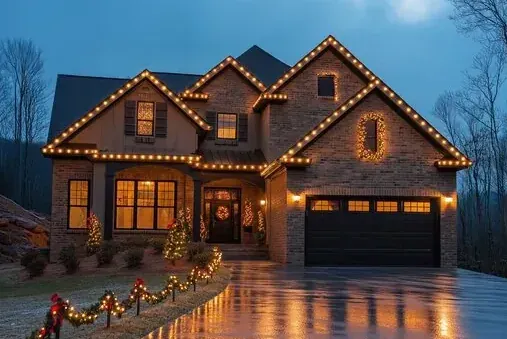
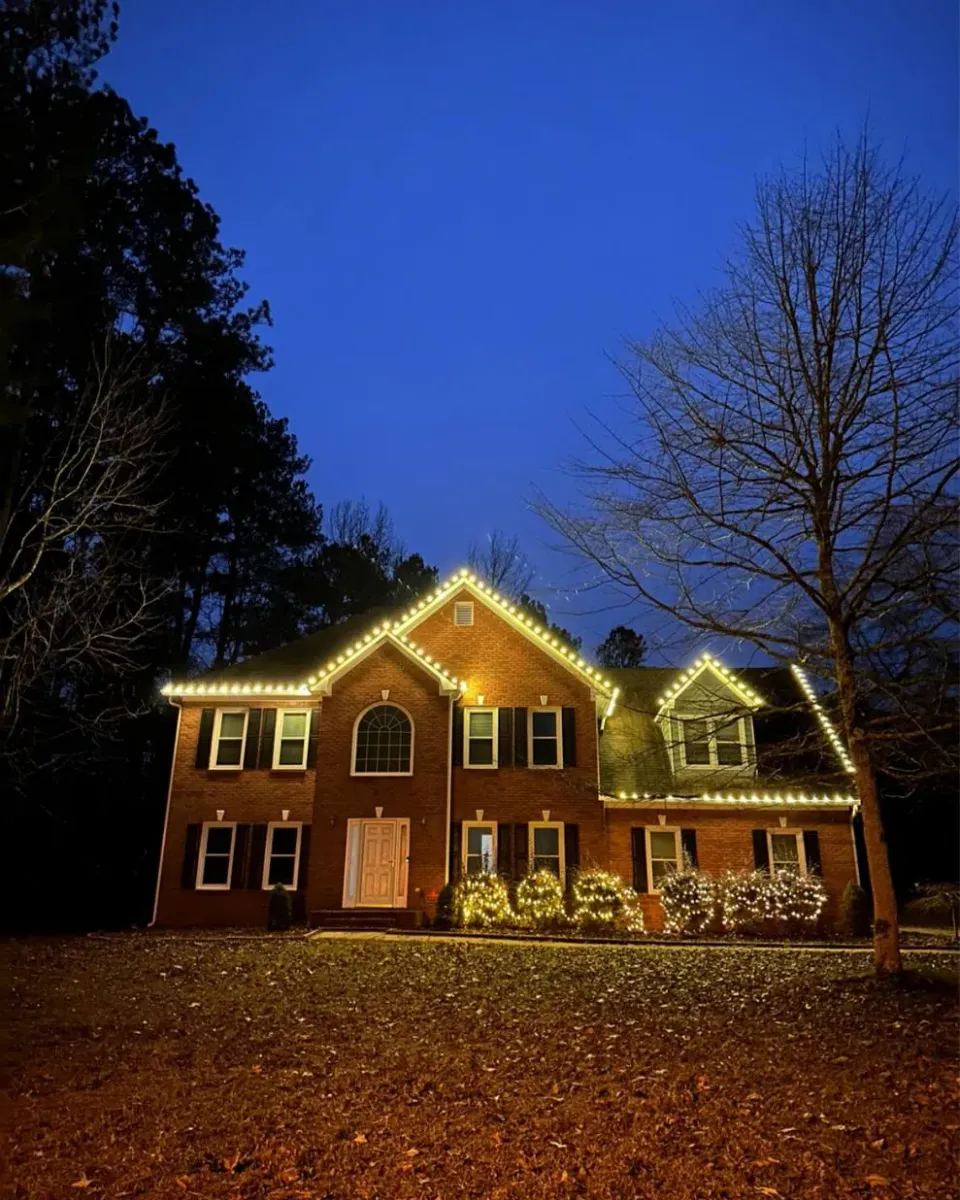
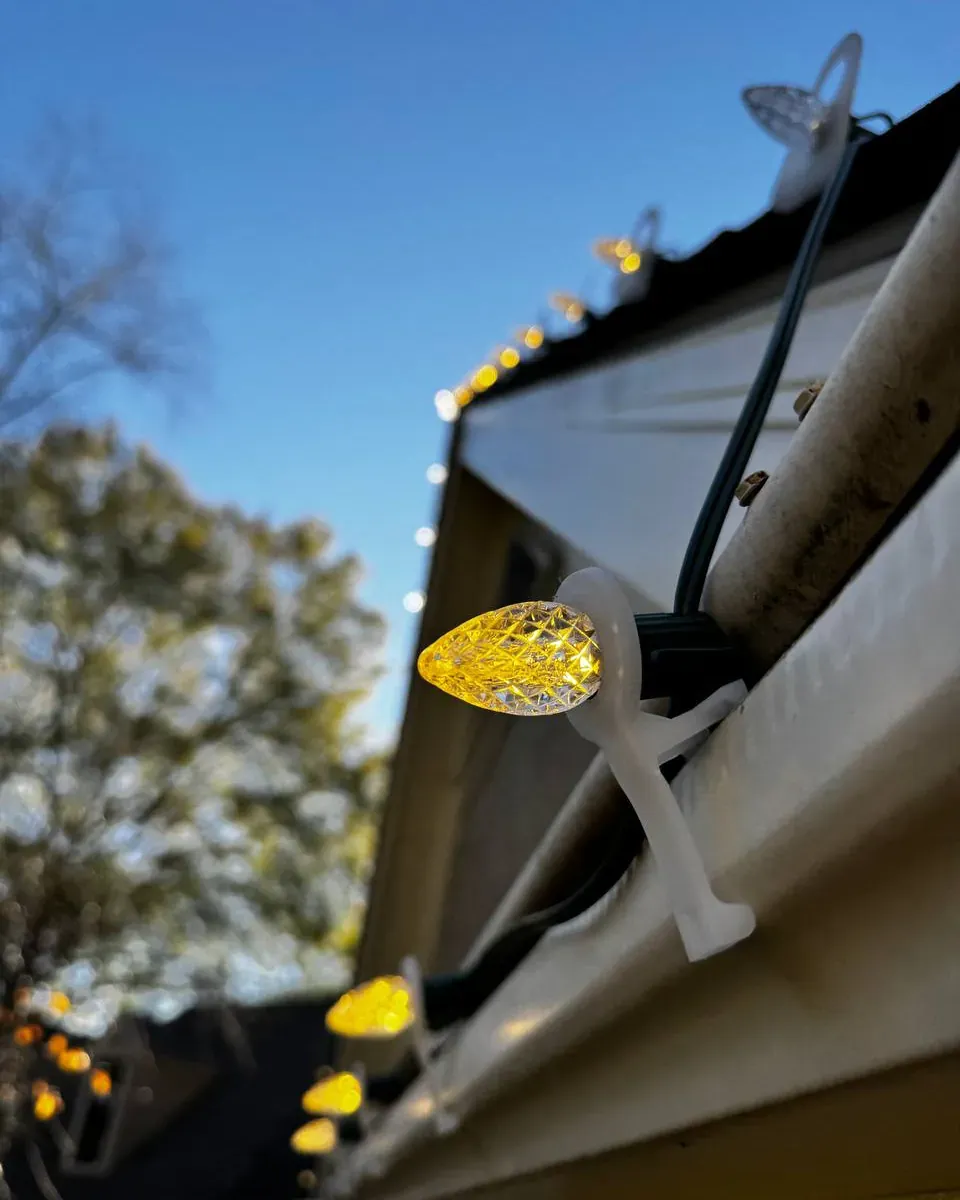
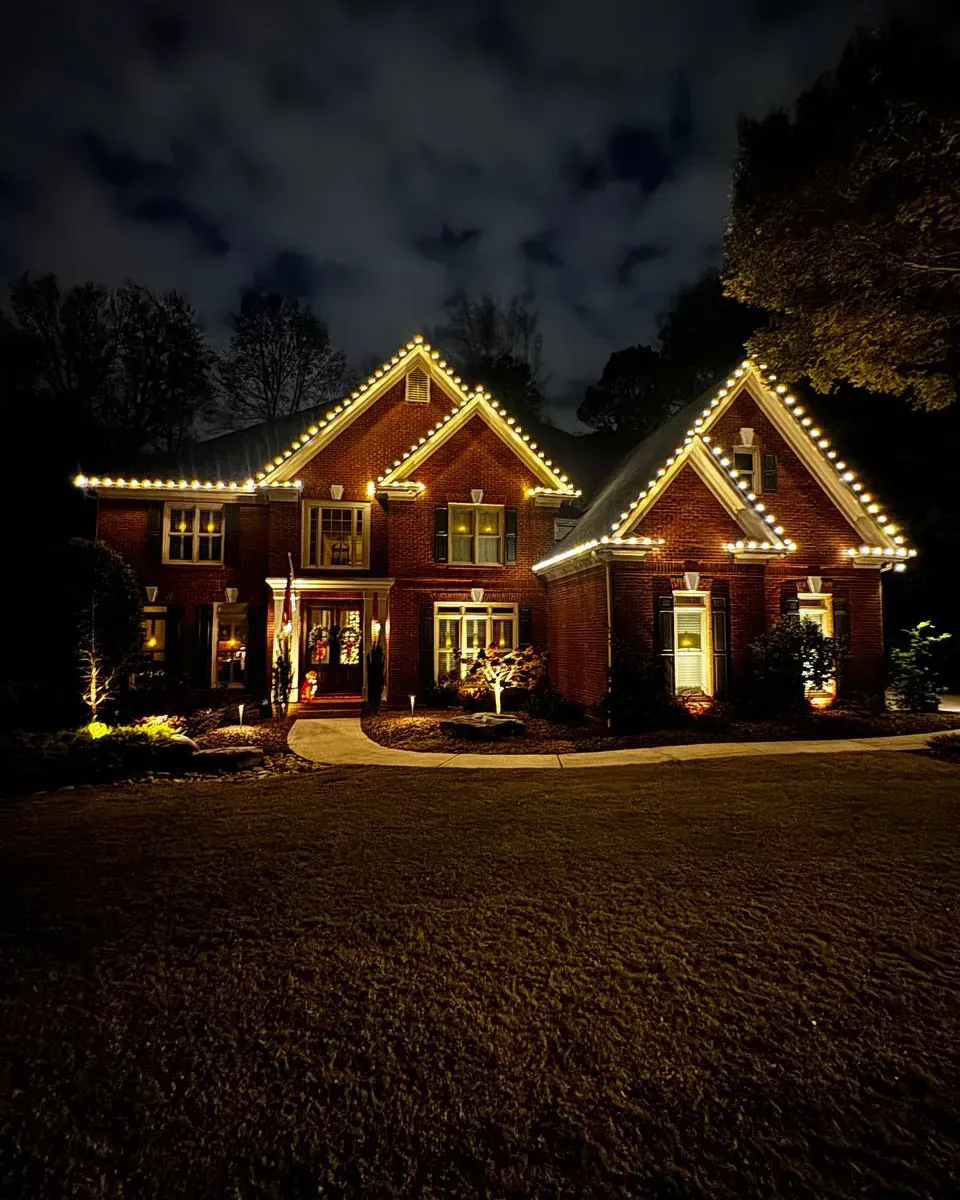
A bungalow's roofline is low and broad. From the sidewalk, a pedestrian sees the underside of the porch eave, the column tops, and the door well before they see the ridge. That is why a display here usually starts at the porch. One continuous warm-white line along the porch eave, carried around the corner so it does not stop short, gives the house its outline. C7 bulbs suit this scale. On a larger bungalow with a front-facing gable or a shed dormer, a second line in C9s can trace the upper roof without crowding the porch.
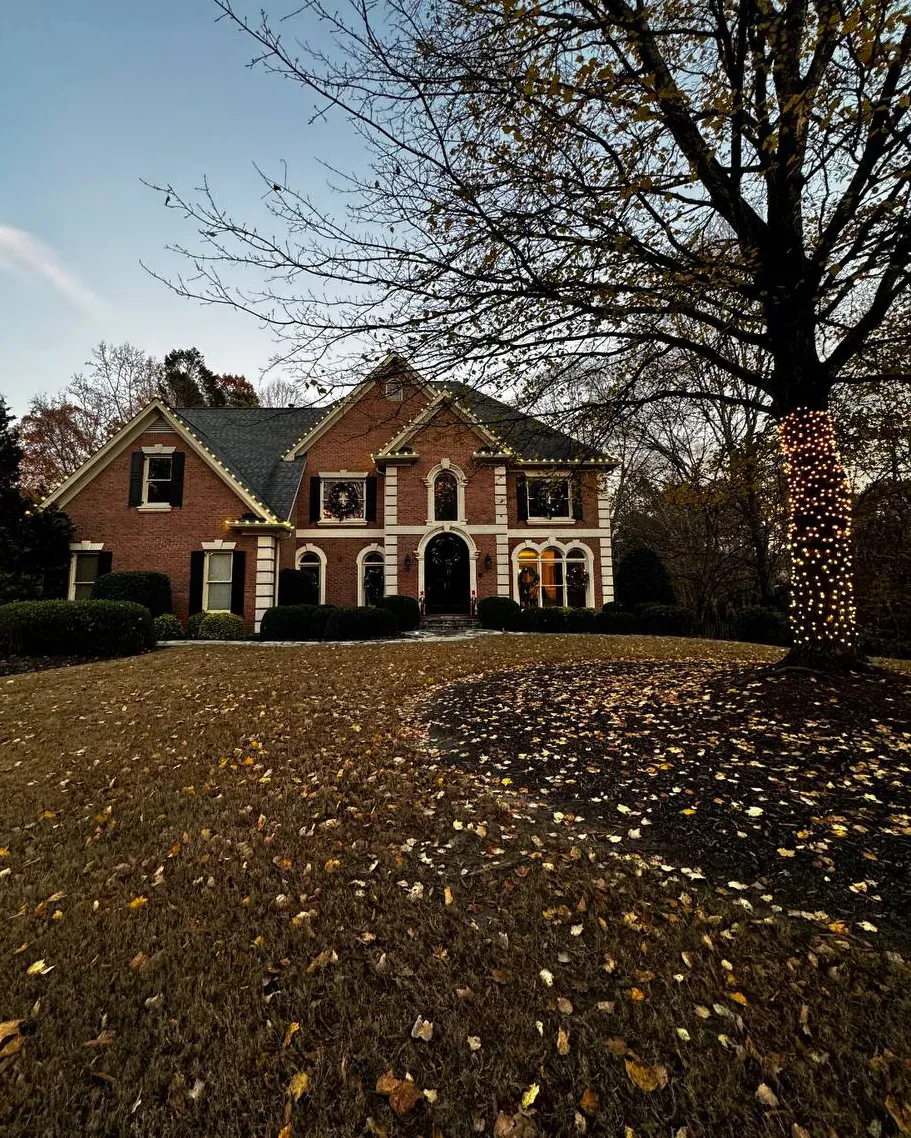
December is a public month in this neighborhood. The Virginia-Highland Tour of Homes has run each December since the early 1970s, when it began as a bungalow tour, and it is now part of a mid-December winter festival with a parade and a market. Neighbors walk more, visitors come in, and houses are seen at an easy walking pace. That calls for tidy work: strands cut to length, clips spaced evenly, connections hidden behind columns or downspouts.
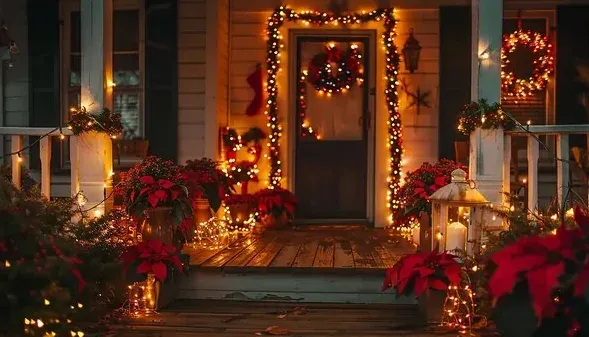
Our warm-white roofline service covers the eave work, and our wreaths, garland, and greenery handles the porch dressing. For the shops and restaurants along North Highland, the storefront service follows the same attention to detail.