Inman Park was Atlanta's first planned suburb. In the late 1880s Joel Hurt organized the East Atlanta Land Company, bought more than 130 acres east of the city on ground fought over in the Battle of Atlanta, and named the development for his friend Samuel Inman. He ran an electric streetcar along Edgewood Avenue to connect it to downtown, and the early houses were large Queen Anne designs with every flourish the Victorian builders could manage. By the early 1900s, Georgian Revival houses were going up beside them. Springvale Park, about ten acres, sits at the center, and Asa Candler's Beaux-Arts house, Callan Castle, still stands at Elizabeth and Euclid.
The neighborhood slid into decline in the middle of the century and came back through a restoration movement that began around 1970. It was listed on the National Register of Historic Places in 1973, and it is also a City of Atlanta historic district, where exterior work that needs a building permit may require review by the Urban Design Commission. Seasonal lights are not that kind of work. They are temporary and they leave nothing behind, which is exactly how we install them.
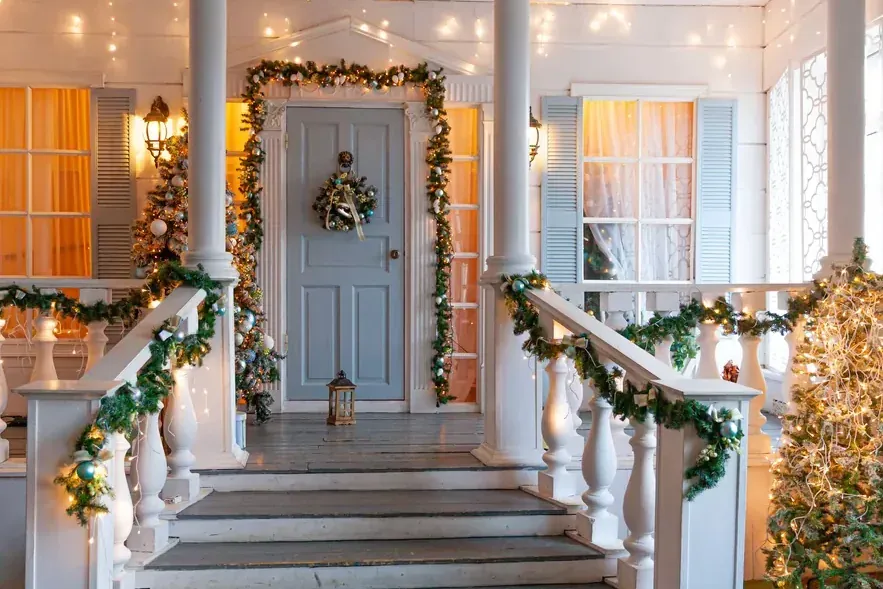
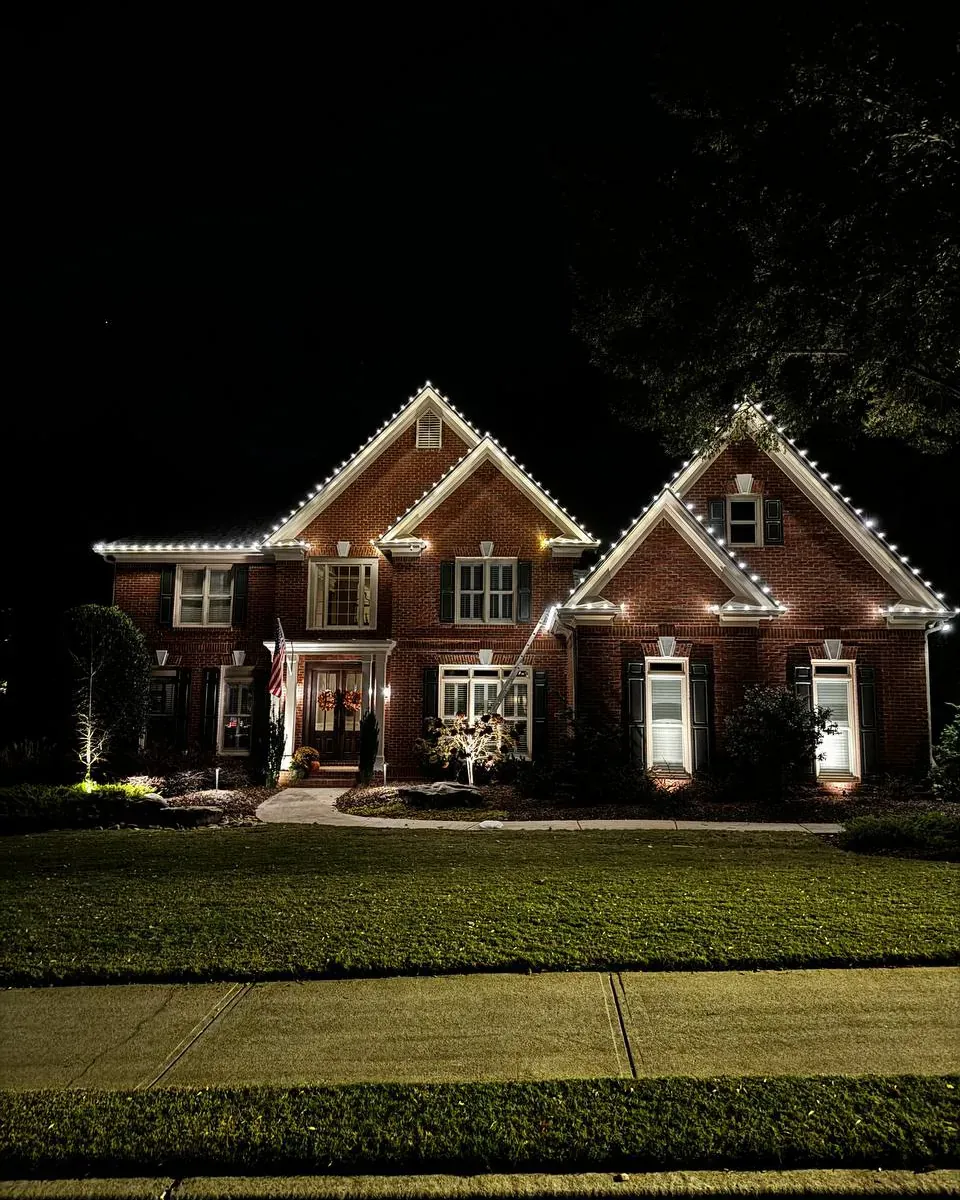
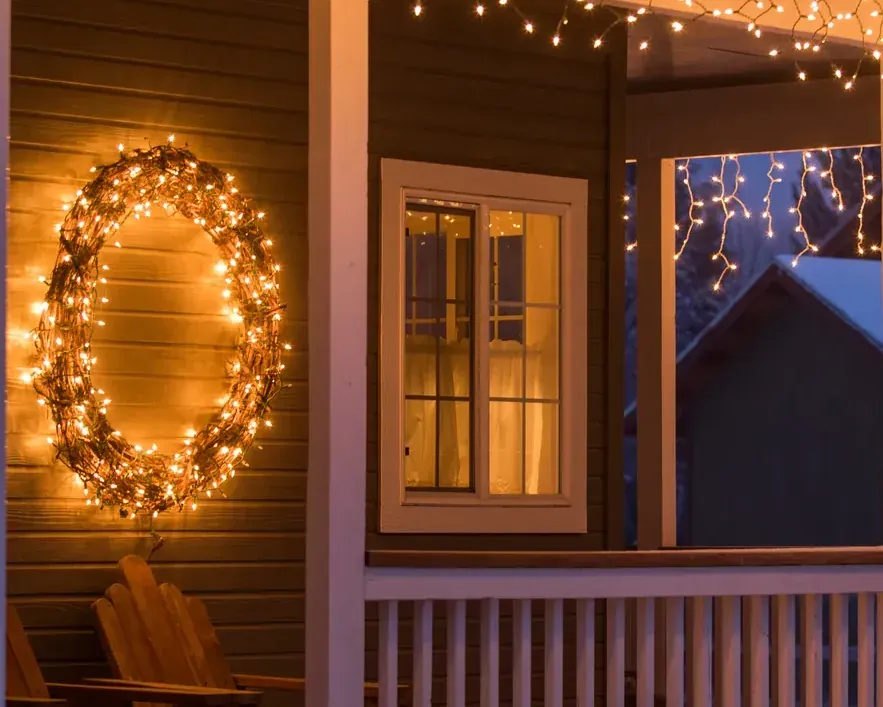
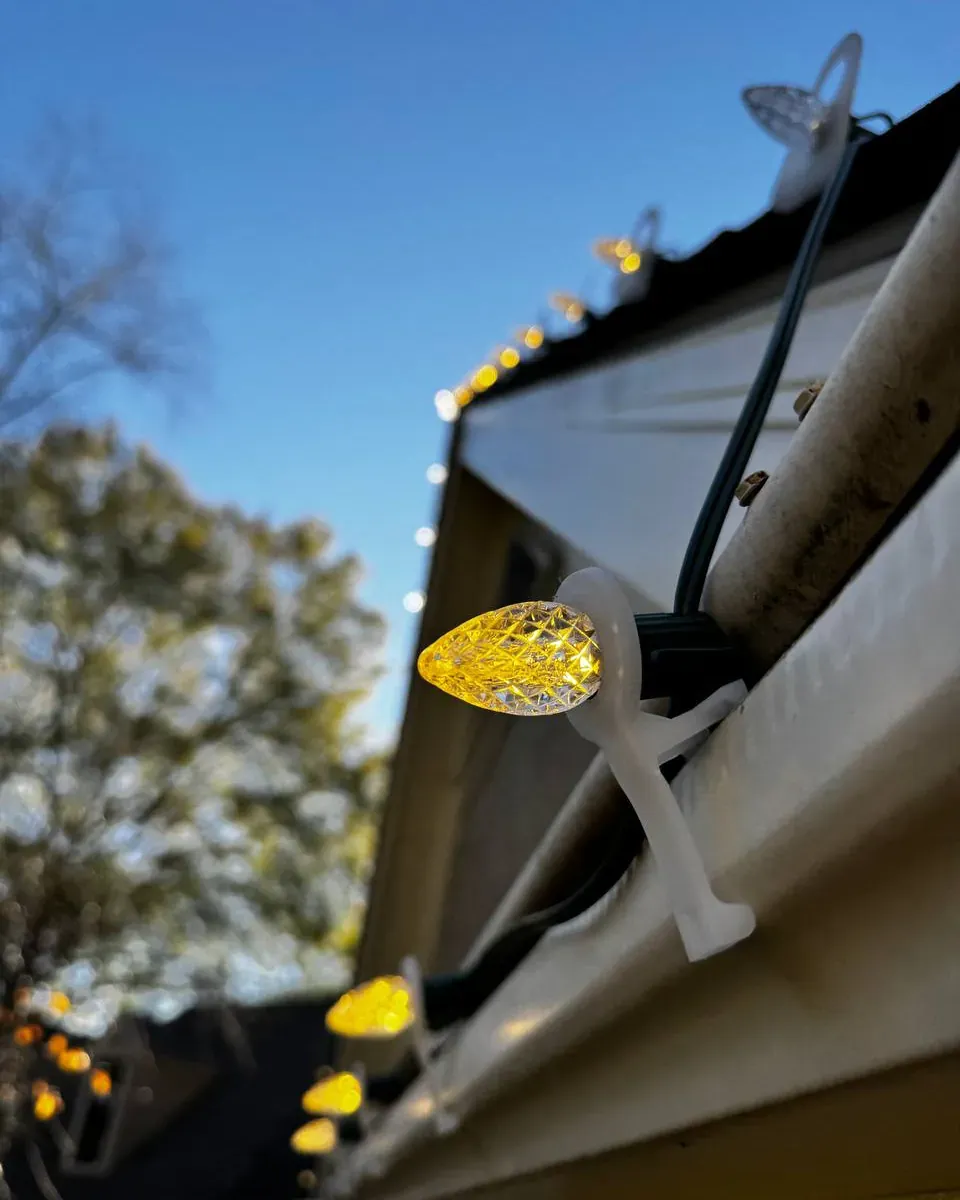
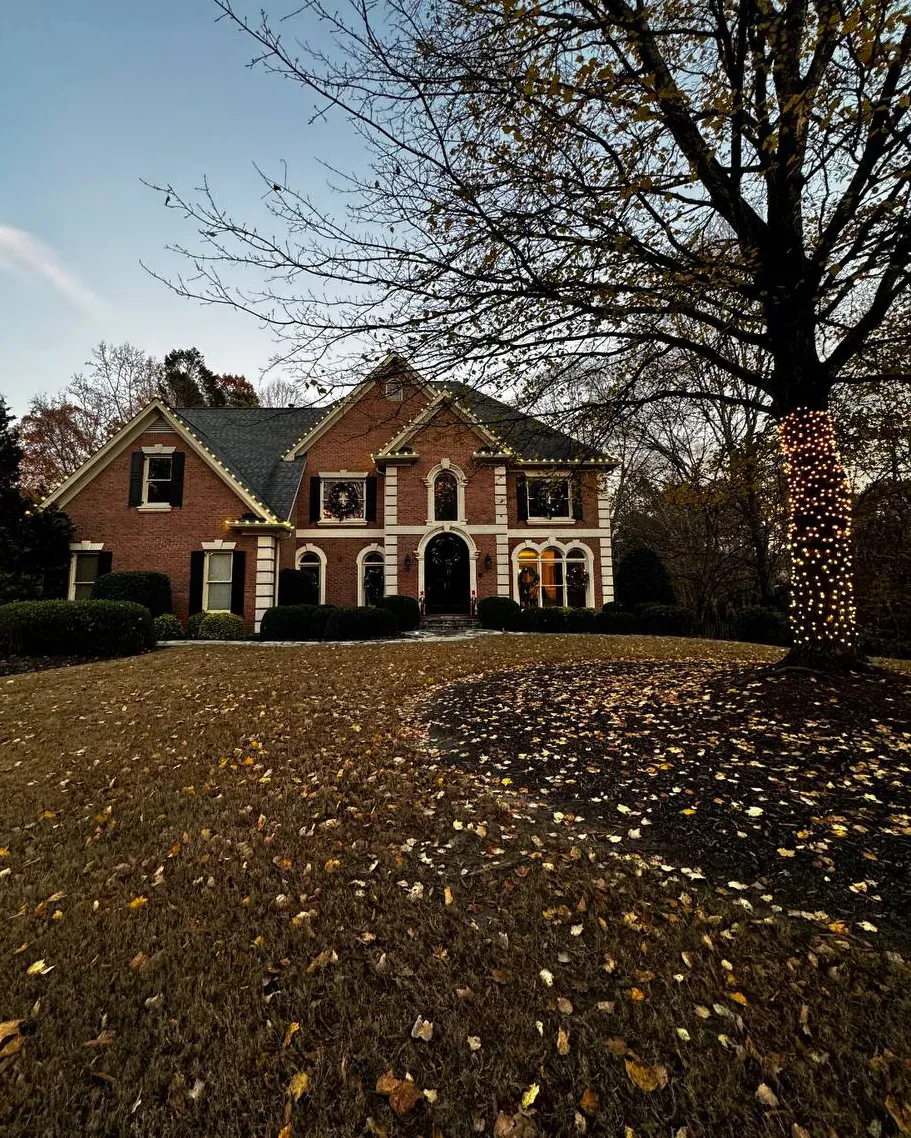
A Queen Anne house is a hard subject for a roofline display. It has many planes, towers, cross gables, and porch roofs at different heights. Light all of them and the house turns into a tangle of lines. We usually choose the porch as the primary feature, because it faces the sidewalk and carries the richest detail, and then one upper element, often the main front gable or the tower's conical roof. Warm white is almost always right against painted clapboard and fish-scale shingles. C7 bulbs keep the scale refined.
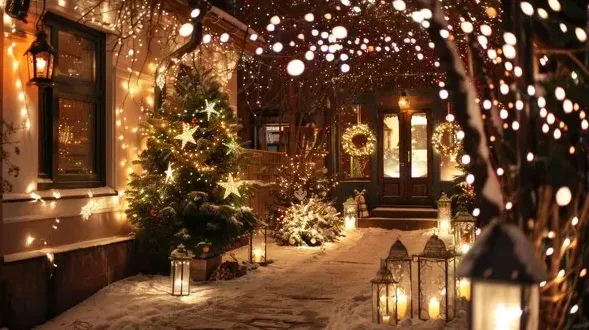
Inman Park is also a place where people walk, especially along the Beltline's Eastside Trail at the neighborhood's western edge and down to the restaurants near it. Our storefront and restaurant lighting covers those businesses, while homes get the residential design process and porch greenery through wreaths, garland, and greenery.