Skip to content

Druid Hills: lighting houses that sit inside a landscape

Olmsted's parkway, Ponce de Leon mansions, and the wooded streets toward Emory

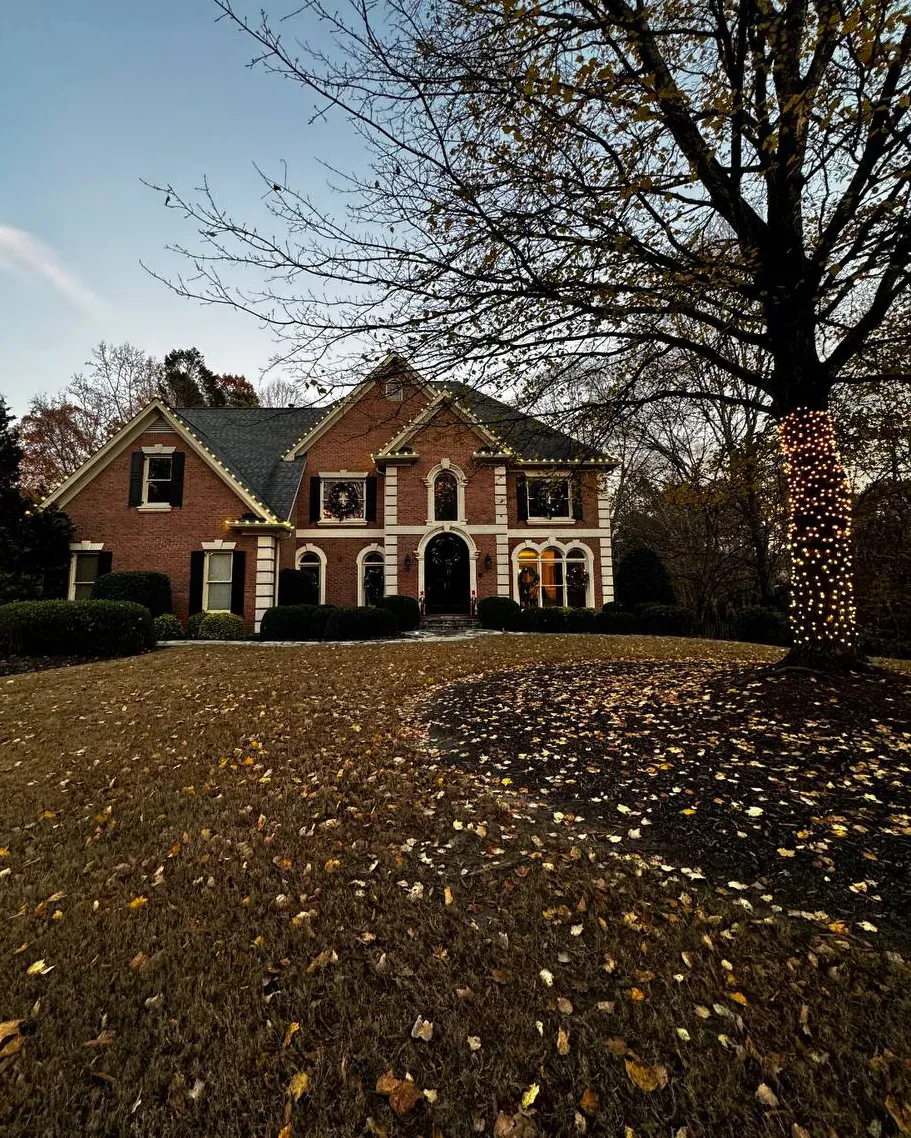
Druid Hills was planned as a landscape first and a neighborhood second. The Olmsted plan wrapped large houses around a chain of parks along Ponce de Leon Avenue, and a century of tree growth has only strengthened that idea. A display here has to work with the trees and the long lawns, not just the roof. We plan both together, in warm white, with the house as the anchor. Our installers have worked Atlanta rooflines since 2018. Text a photo for a free written quote.

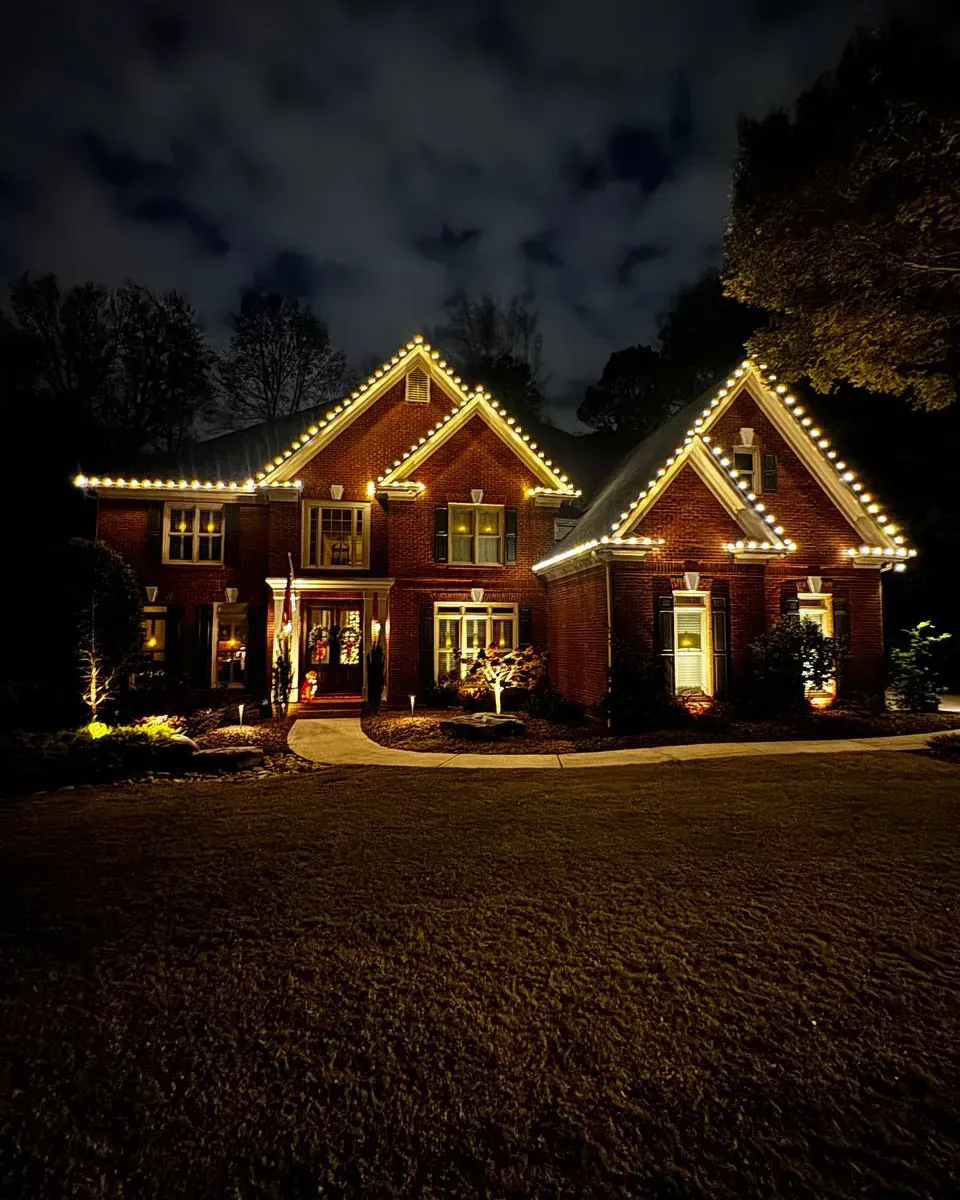
Brick colonial house at night with warm-white C9 bulbs on both gables and the lower roofline

Olmsted's plan and what it means for a holiday display

Frederick Law Olmsted prepared the first plan for Druid Hills in 1893 for Joel Hurt's Kirkwood Land Company. Work on the ground did not really start until 1905, and in 1908 the company passed to Asa Candler, who built his own house on Ponce de Leon Avenue. The plan was organized around Ponce as a broad parkway, lined by a chain of six parks now known together as Olmsted Linear Park: Springdale, Virgilee, Oak Grove, Shadyside, Dellwood, and Deepdene. By the late 1920s most of the neighborhood was built out with houses by the best-known architects of the period, among them Neel Reid, Philip Shutze, Leila Ross Wilburn, W. T. Downing, Ivey and Crook, and Pringle and Smith. The district is on the National Register of Historic Places and carries local historic district protection.

Druid Hills straddles a line. Part of it is inside the City of Atlanta and part is unincorporated DeKalb County, and the streets run from the Ponce parkway north and east toward Emory University. Lullwater Road, Oakdale Road, Springdale Road, and Fairview Road hold many of the grandest houses. The lots are large, the setbacks are generous, and the canopy is some of the oldest in the city.

That setting changes the order of decisions. On most intown houses we start with the roofline. In Druid Hills we often start with the trees, because the oaks and poplars between the street and the house are what a passerby sees first, and they can either frame the facade or hide it. Wrapped trunks near the curb, a lit specimen tree on the lawn, and then the roofline, sized for the distance: that is the usual order. Our tree and landscape lighting and residential design services are quoted together for this reason.

One of the neighborhood's own landmarks shows how these houses can look in December. Callanwolde, the Tudor Revival estate Charles Howard Candler built on Briarcliff Road and now a fine arts center, is dressed each holiday season by designers and opened to visitors. It is a good reminder that on a large historic house, greenery at the entry and windows often matters as much as light on the roof.
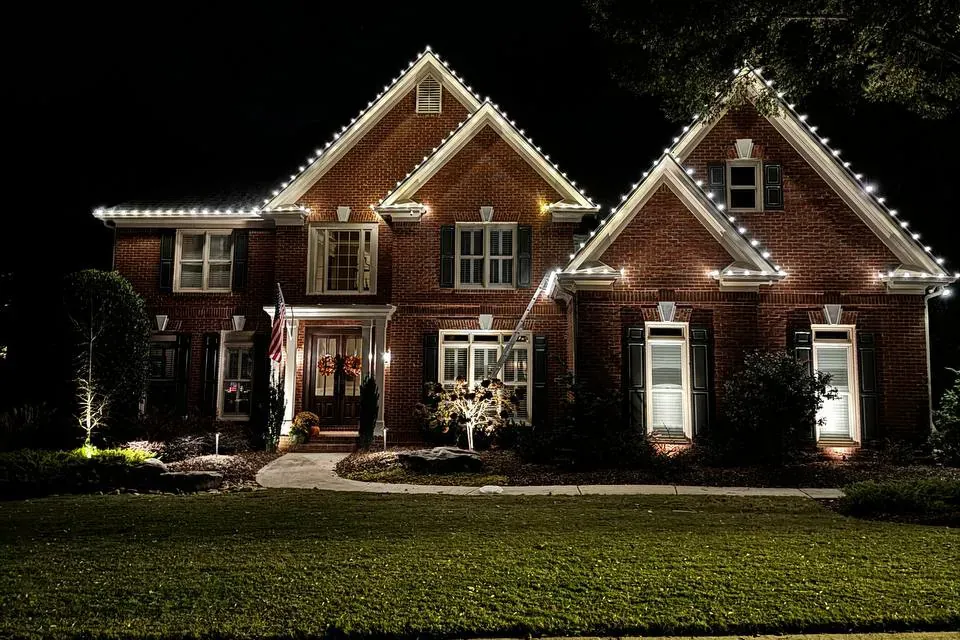
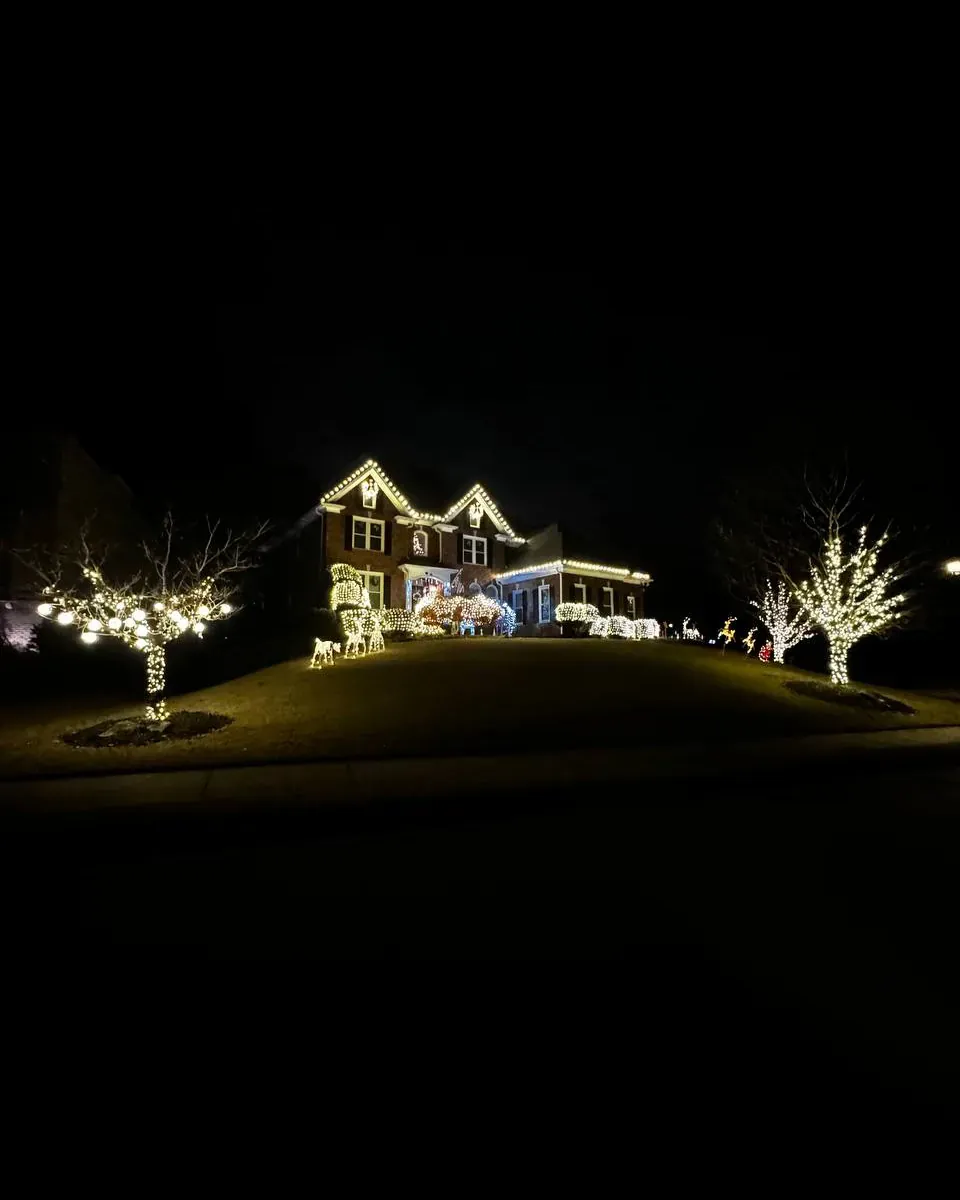
  • Trees and roofline, one plan

    Street-side trunks, lawn trees, and the roofline are designed together so each layer supports the house.

  • Scaled to long setbacks

    C9 bulbs on the lines visible from the street, sized so the outline holds across a deep lawn.

  • Care with historic fabric

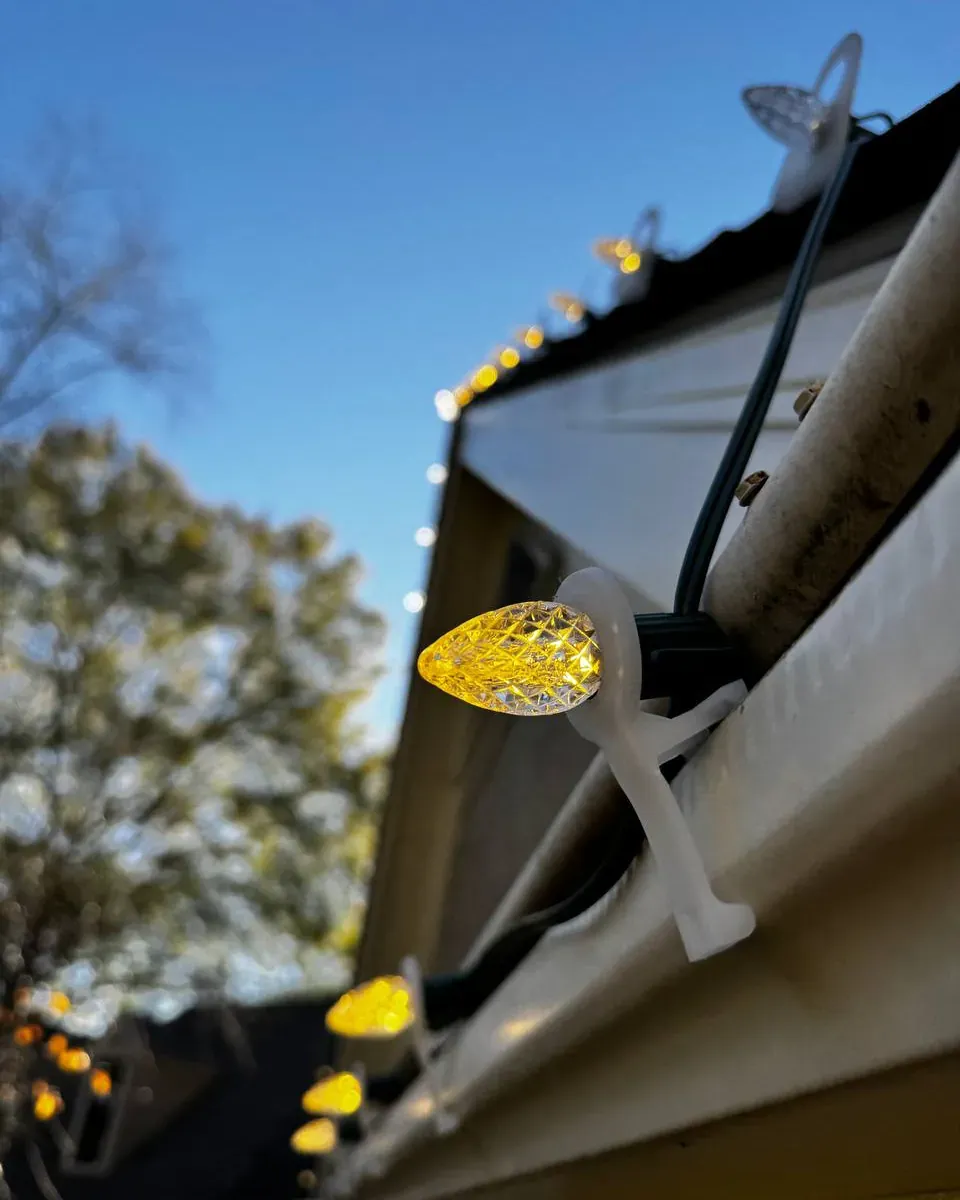
    Clips and tension wraps only. No fasteners in slate, tile, copper, stone, or original wood trim.

  • Entry greenery at estate scale

    Garland and wreaths sized for large door surrounds, porticos, and tall windows.

Houses along the Ponce parkway

Houses along the Ponce parkway

The houses facing Olmsted Linear Park are seen across the parkway and the park itself, so they are viewed from a long way off and at night mostly from passing cars. Big, simple gestures work best: a warm-white C9 roofline on the main cornice, two wrapped trunks framing the front, and nothing fussy. Detail at the door is for guests; the outline is for the avenue.

Lullwater, Oakdale, and the wooded side streets

Lullwater, Oakdale, and the wooded side streets

Away from Ponce, streets like Lullwater and Oakdale curve through heavier woods, and houses appear between the trees. Here a single lit trunk near the drive, a lit shrub mass by the entry, and a partial roofline can look more natural than a full outline. We walk the approach to see what shows before writing the plan.

Wreaths and garland for large entries

Wreaths and garland for large entries

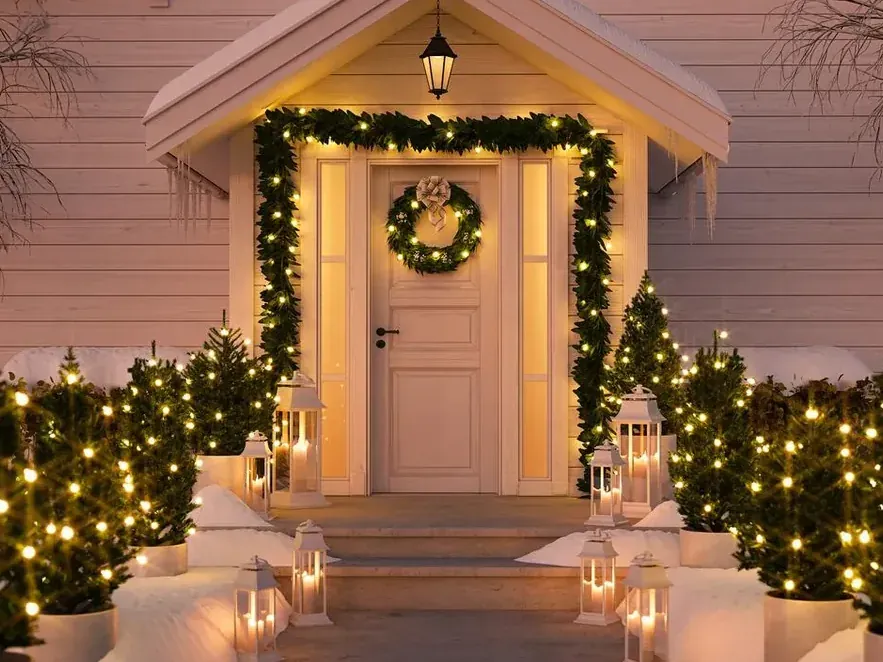
Many Druid Hills houses have porticos, broad door surrounds, or a pair of lanterns flanking the door. Garland across the lintel and down the sides, lanterns at the steps, and wreaths in the windows above give the entry weight. Our wreaths and garland service sizes each piece to the opening.

Brick, stone, and color temperature

Brick, stone, and color temperature

Brick and stone dominate here, and warm white is almost always the right choice against them. It matches the warmth of the material and the glow of lit windows behind. We keep every strand on the same color temperature, including tree wraps, so nothing reads as a different shade across the lawn.

Service and January takedown

Service and January takedown

A timer is set at install. If a section goes dark, text a photo to (470) 380-7797 and it goes on the next route. In January we remove everything, coil it, and label it. Everything is stored with us until next season through our takedown and storage service. We also work in nearby Decatur and Virginia-Highland.

Druid Hills questions before booking

Canopy, setbacks, and the rules that come with a historic district.

Our house is hard to see behind the trees. Should we still light the roof?

Often yes, but the trees come first. Wrapping the trunks nearest the street gives the display a visible front edge, and the roofline behind reads through the branches. If the roof is fully hidden, we may recommend lighting the entry and lower windows instead of the upper eave.

Do holiday lights need approval in the Druid Hills historic district?

Seasonal lights are temporary and are generally not treated as an alteration to the house. What matters on our side is that nothing is fastened into the building and everything comes down in January. Our journal post on lighting a historic district home explains the approach.

How do you wrap very large oaks?

We measure the trunk and the height to the first major limb, then wrap evenly with warm-white mini lights from the ground to that point. On very large trees we sometimes continue up one or two main limbs. Wraps are kept loose enough to protect the bark and come off completely in January.

What suits a Tudor mansion versus a Georgian one?

A Tudor usually looks best with its main gables traced and the long eaves left dark, plus greenery at the arched entry. A Georgian or Colonial Revival house suits symmetry: matching gables or cornice lines, and wreaths repeated across the upper windows.

When should we reach out?

Earlier dates fill first, and a large property takes longer to plan. A request in late summer or early fall gives the most choice. The install season itself runs from late October to about mid-December.

Start a Druid Hills design with a free quote

Text a photo of the house and the address to (470) 380-7797. We will reply with a written, itemized quote covering the roofline, each tree, and the entry greenery.

Email christmaslightsofatl@gmail.com

Or send the details here

All neighborhoods
Text us (470) 380-7797

Text us a photo

Scan with your phone's camera to start a text to (470) 380-7797. Attach a picture of the front of the house.

QR code that starts a text message to (470) 380-7797
Use the quote form instead