Decatur was chartered in 1823, older than Atlanta itself, and the historic courthouse still anchors the square at its center. The residential streets around it filled in mainly during the first decades of the twentieth century, which is why so much of the housing is Craftsman: bungalows with deep porches and low gables in Oakhurst and Winnona Park, and somewhat larger houses on the MAK streets, named for McDonough, Adams, and Kings Highway, which became the city's first local historic district. The MAK blocks sit just west of Agnes Scott College, and the Atlanta architect Leila Ross Wilburn designed many of the houses there, which went up between 1907 and the late 1930s.
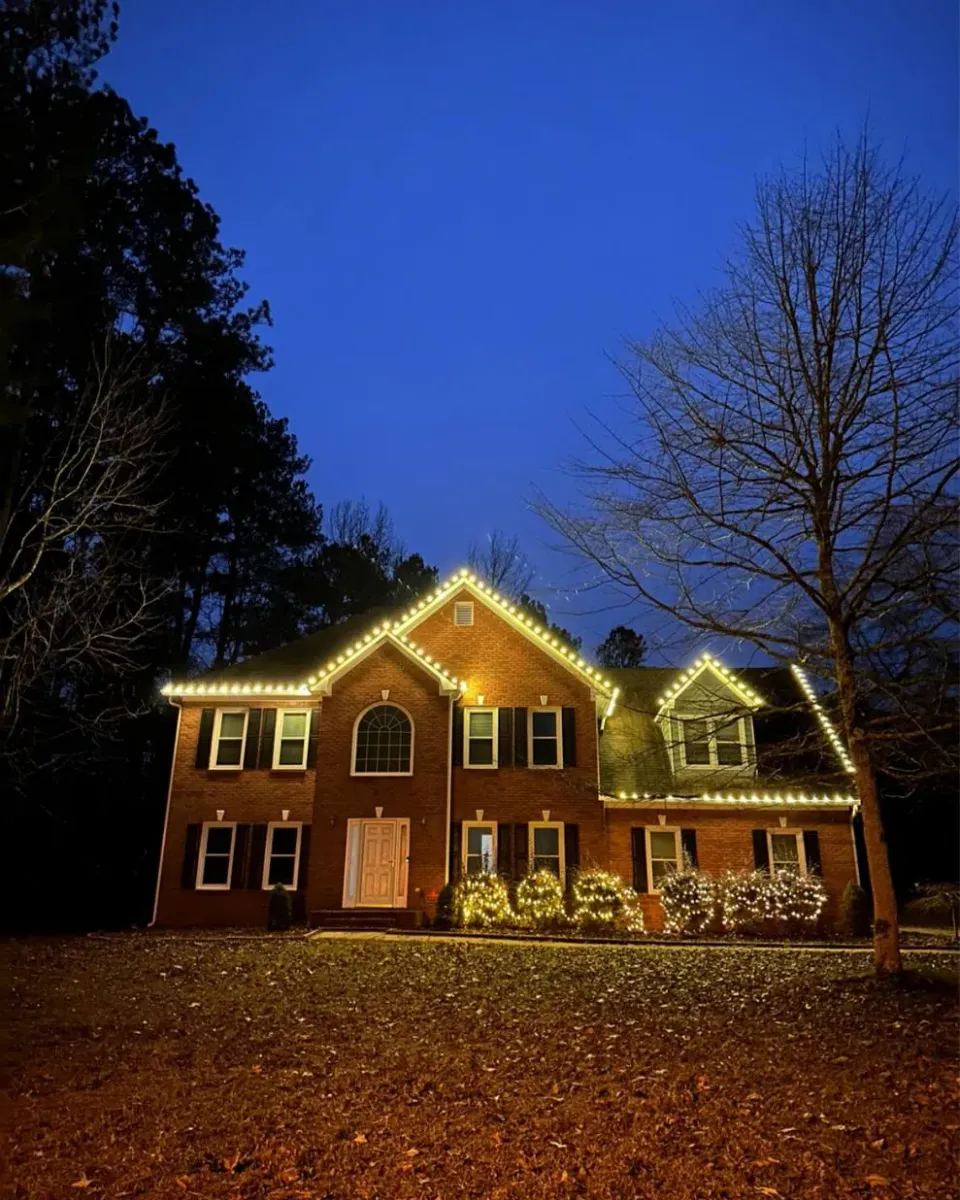
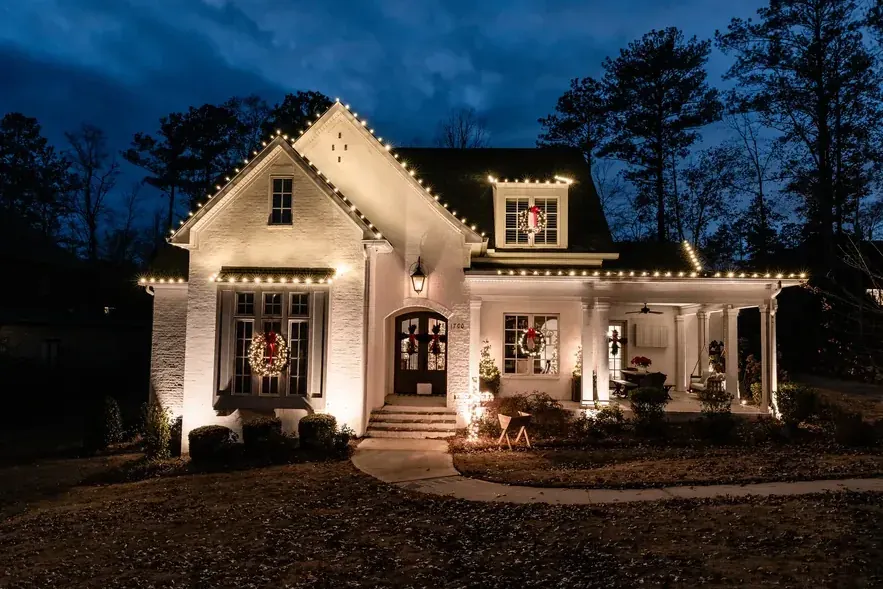
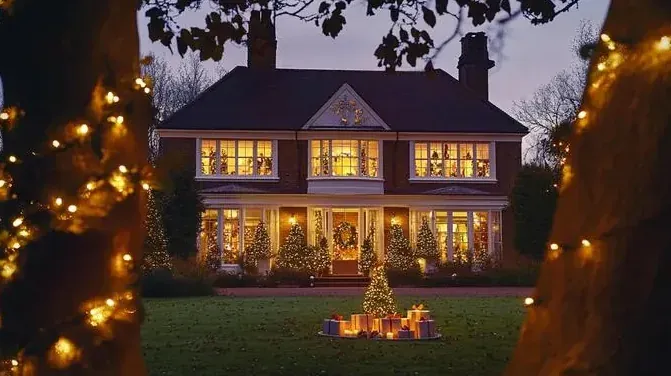
The last twenty years have added a second layer. On many Decatur streets, an original bungalow now stands between two newer houses, often taller, often painted white or gray with dark trim and a metal accent roof over the porch. Designing a display for one of those streets means thinking about the whole block, because the new house and the old house are seen together. A tall infill house with crisp white siding can carry a cool-white or bright-white line well. The 1920s bungalow next to it almost always looks better in warm white. Both can look right on the same block if the bulb size and spacing are kept consistent.
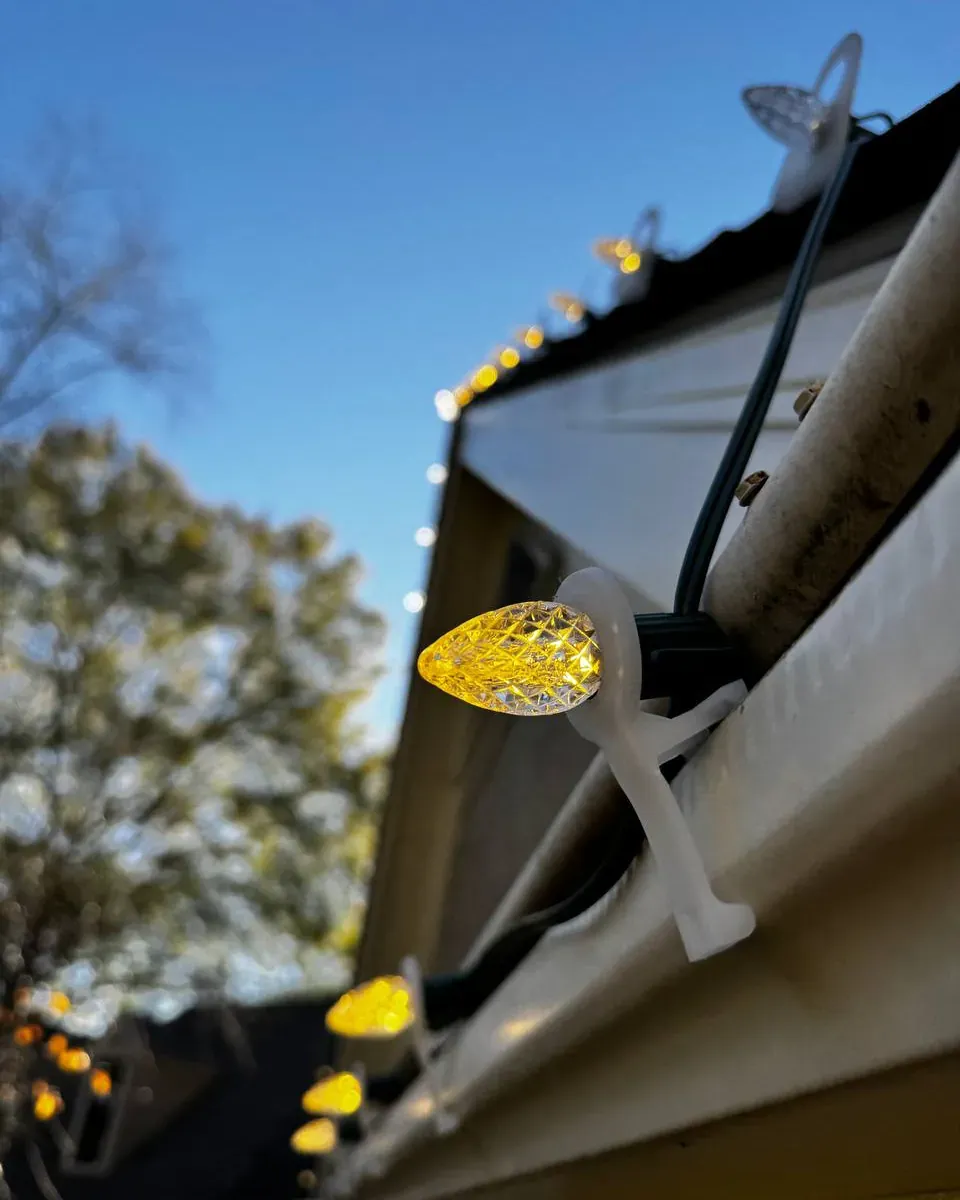
Because Decatur is seen on foot, workmanship shows. People walk past at a slow pace and a few feet away. A strand that ends a foot short of the corner, a zip tie on a porch column, or a visible extension cord across the steps is noticed. We measure each run, cut every strand to length, and route connections behind columns and downspouts. Our residential design service starts with that kind of measured plan.
In December the square becomes a destination. The city lights its tree on the courthouse lawn early in the month, and walk-through decorations go up on the square and in Oakhurst. The shops and restaurants around the square and along the side streets get busy, which is where our storefront and restaurant lighting comes in.